ARTICLE
SUSTAINABLE CONSTRUCTION – PART 1
PAV DISTRICT IN GENEVA:
AN AMBITIOUS AND SUSTAINABLE URBAN TRANSFORMATION
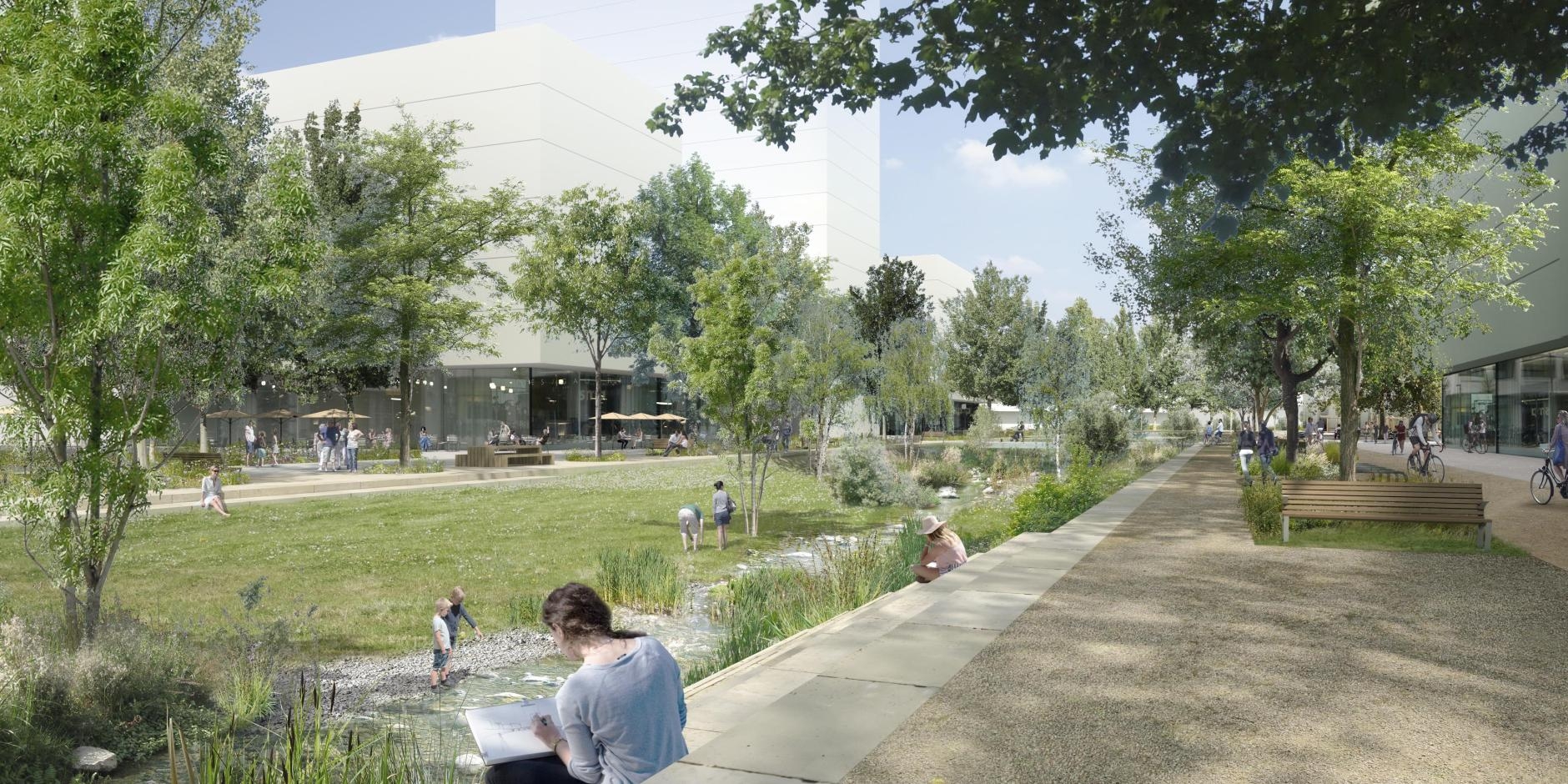
The Praille-Acacias-Vernets (PAV) project is one of the largest and most visionary urban transformation initiatives in Europe. Located in the heart of Geneva, this large-scale program aims to transform 230 hectares of former industrial zones into a model urban district for the 21st century — modern, inclusive, and deeply committed to the ecological transition.
A structuring project for Geneva
The PAV area includes the districts of Praille, Acacias, and Vernets, spanning Geneva, Carouge, and Lancy. With 1.2 million m² of buildable space — 60% managed by the PAV Foundation — it has the potential to host around 7,750 new homes, most of which will be dedicated to social and affordable housing. The project stands out for its strong ambition to reconcile urban fabric and nature, housing and workplaces, offices and public services. The goal: to create a vibrant, accessible city focused on the future.
Carbon neutrality: a cornerstone of the PAV transformation
One of the main goals of the PAV project is to achieve carbon neutrality by 2050, in line with the climate commitments of the Canton of Geneva. This ambitious target guides every stage of the area’s development, from urban planning to the design of buildings and public spaces.
Clean and local energy
The district relies on renewable energy sources, including geothermal energy, solar panels, and heat recovery from wastewater. This approach aims to reduce dependence on fossil fuels and ensure the site’s energy autonomy.
Public spaces oriented towards nature
Green spaces play a key role in the project. Trees, parks, and green corridors help cool the urban climate and reduce heat islands, while improving residents’ quality of life. These developments also support local biodiversity and overall comfort.
Sustainable mobility at the heart of the district
The PAV is designed to reduce car use in favor of public transport, cycling, and walking. A network of bike lanes, proximity to tram stops, and pedestrian zones will make it a neighborhood where soft mobility is easy, safe, and preferred.

Leave a comment