
ARTICLE
SUSTAINABLE CONSTRUCTION – PART 3
ENERGY MANAGEMENT:
The keys to a sustainable future
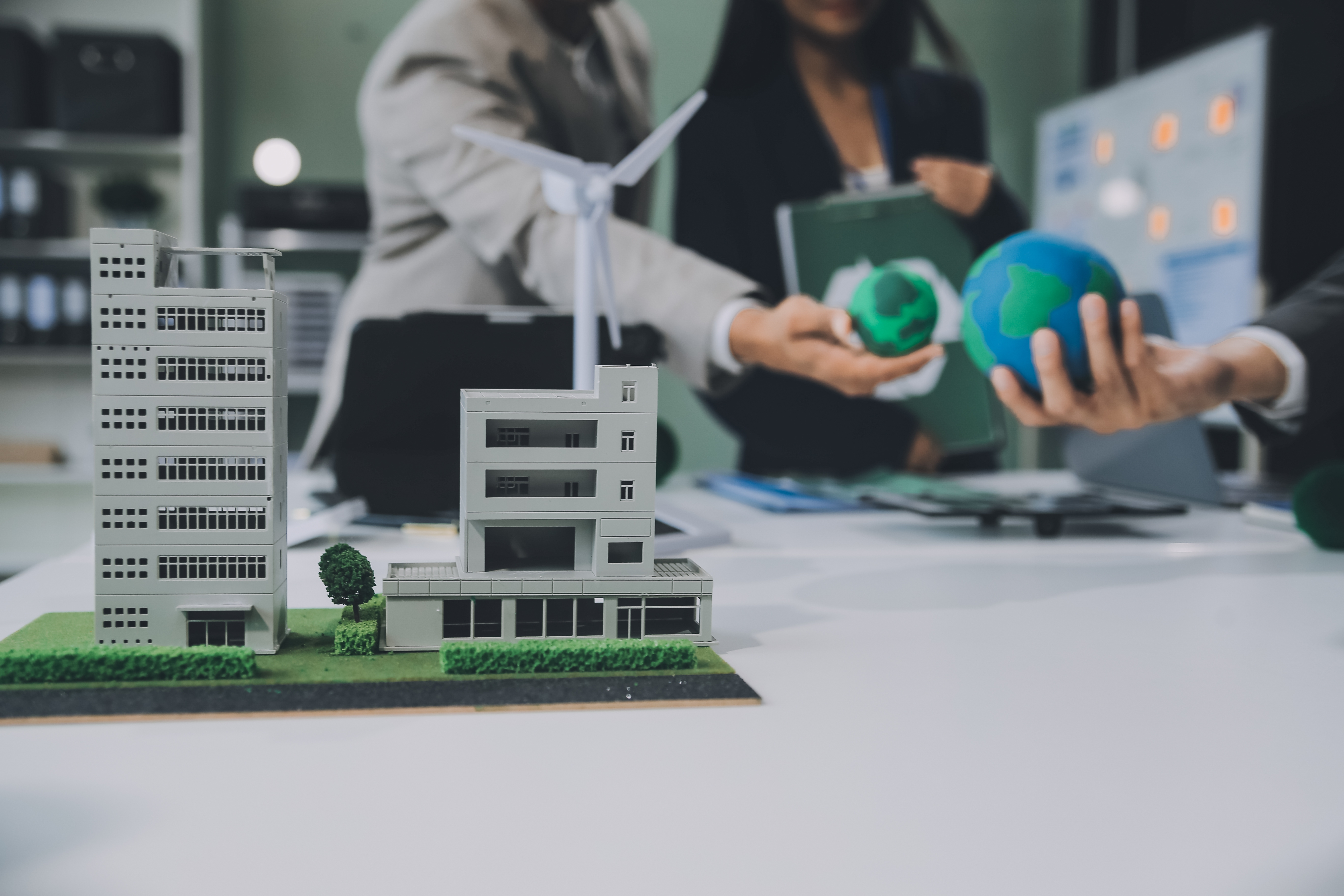
The construction sector in Switzerland, at the heart of the energy transition, faces new challenges to meet carbon neutrality goals by 2050. While energy labels such as Minergie, SIA 380/1, and BEPOS guide the design of high-performance buildings, the real key to a sustainable future lies in the smart selection of renewable energy sources. The buildings of tomorrow must be powered by energy that minimizes environmental impact while ensuring maximum efficiency. The challenge is clear: build intelligent, energy-efficient structures based on the most advanced, sustainable, and adaptable systems.
Among the most promising solutions is geothermal energy, which harnesses the earth’s heat to optimally heat or cool buildings. Photovoltaic energy is also an increasingly popular choice, providing a clean, abundant, and accessible renewable source that enables buildings to produce their own energy. These solutions are particularly relevant as positive-energy buildings (BEPOS) become the new standard.
In addition to geothermal and solar power, wind energy is also a potential source for large-scale urban projects. However, integrating wind systems within built environments remains complex due to space and proximity requirements. Combining these renewable energies with smart energy management technologies allows the construction industry to significantly reduce the carbon footprint of Swiss buildings.
These initiatives are essential not only to comply with environmental standards but also to ensure long-term investment sustainability. By adopting sustainable energy management, professionals can focus on operational savings, energy resilience, and user comfort. This proactive approach, combined with intelligent energy management strategies, is vital for ensuring the sustainability of construction projects and addressing future environmental and economic challenges.

Leave a comment